
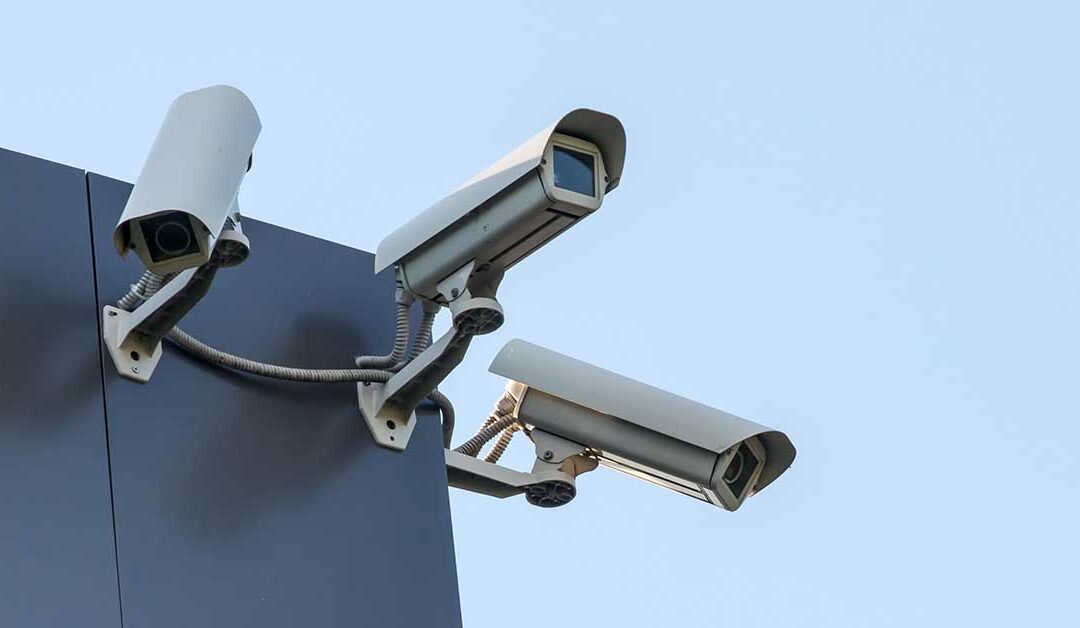
You don’t get real security from sticking up a camera and hoping for the best. The main components of a monitored CCTV system are made up of carefully chosen parts, each playing its role in fighting crime, not just filming it.
If you’re a detailed driven security officer, or facilities manager, keen to understand more about CCTV monitoring, read on.
What are the key components of a monitored CCTV system?
Think of monitored security camera system it like a team. Cameras are your eyes, monitoring staff are your brain, and the rest are there to communicate, record, and respond.
To be blunt, in today’s climate criminals are getting away with crime. The Police are stretched. That’s just one of the reasons why CCTV camera footage doesn’t always lead to thieves being apprehended. Also, how do you
Here’s a quickfire list of the main parts of a remote CCTV monitoring system.
- CCTV surveillance cameras
- Video Management System (VMS)
- Alarm integration (motion sensors, door contacts, beams)
- Monitoring centre staff & operators
- Loudspeakers to warn intruders
- AI video analytics to mitigate false alarms
- Cups of tea (essential for operator morale!)
Now, let’s walk you though the key part of these crime fighting 24 hour remotely monitored CCTV solutions.
1. CCTV surveillance cameras
This is where everything starts. Fixed, pan-tilt-zoom (PTZ), thermal, and ANPR cameras, each serves a different purpose.
Whether it’s watching a car park, scanning a perimeter, or tracking movement at entry points, the right camera setup is key.
Low-light performance, image clarity, and field of view all matter. If the footage is poor, the whole system is compromised.
Here’s a quick summary:
- Different camera types suit different tasks
- Image quality is key to identifying threats
- Camera placement affects overall system performance
2. Video Management Systems (VMS)
The VMS connects the dots. It collects footage from every camera, lets operators see live and recorded video, and allows smart tagging of incidents.
A good system is fast, reliable, and makes it easy to review footage by time, camera, or event. When a site has 30+ cameras, you need more than a basic recorder, you need control.
Here’s a quick summary:
- Manages and stores camera footage
- Helps operators find events quickly
- Crucial for multi-camera and large sites
3. Alarm Integration
Alarms and CCTV are stronger together.
Motion sensors, door contacts, and beam detectors can trigger cameras to start recording or alerts to be sent to the monitoring team.
This reduces false alarms and ensures attention is only paid when something needs checking. Alarms give the nudge; cameras provide the evidence.
Here’s a quick summary:
- Sensors trigger CCTV alerts in real time
- Reduces false alarms and wasted checks
- Adds a proactive layer to surveillance
4. Monitoring staff
Technology means nothing without the humans watching.
Trained operators know what suspicious behaviour looks like, when to issue warnings, and when to escalate. They’re calm under pressure and act fast. All in a day’s work for our CCTV monitoring centre staff.
Good staff don’t just respond , they prevent. And they’re always awake, so you don’t have to be.
- Trained experts assess and act fast
- Human judgment filters out false alarms
- Available around the clock
5. Loudspeakers
A sharp voice over a loudspeaker can stop crime in seconds. The message is short and clear:
“This is site security. You are being watched. Leave the site NOW!”
Most intruders don’t stick around after hearing that. Speakers connect your remote operators to your site, acting as a frontline deterrent.
Here’s a quick summary:
- Delivers live voice warnings on site
- Scares off intruders instantly
- Makes surveillance active, not passive
6. AI video analytics
With AI analytics, cameras can recognise patterns, spotting people, vehicles, or unusual behaviour. It’s not about replacing staff, it’s about making their job easier.
Alerts can be refined to trigger on specific movements, reducing false alarms and helping focus attention where it’s needed. When set up well, it’s like adding an extra layer of intelligence to your cameras.
Here’s a quick summary:
- Detects people, vehicles, and patterns
- Cuts down on false positives
- Adds intelligence to standard CCTV setups
7. Cups of tea
Every operator knows: the shift goes smoother with a good cuppa. It’s a staple of the control room.
Whether it’s a builder’s brew or something herbal, tea keeps us alert, calm, and ready for anything, especially at 3am when someone’s creeping near your compound
Here’s a quick summary:
- Keeps operators sharp through long shifts
- Boosts morale during the night hours
- Part of every good surveillance setup
Quick recap: Key components of a monitored CCTV solution
A monitored CCTV system isn’t just gear on a wall, it’s a living, breathing setup designed to catch problems before they become losses.
Each part plays its role, from the camera keeping watch over your gate, to the operator sipping tea while calling in the cavalry at 2am, all in a day’s work!
When it all works together, you get more than security. You get peace of mind, one alert at a time.
FAQs
What is a monitored CCTV system?
A monitored CCTV system links your cameras to a remote control room. When motion or an alarm triggers, trained staff review live footage, issue audio warnings if needed, and take action. It’s a proactive setup that aims to prevent incidents, not just record what happened after the fact.
Do I need special cameras for remote monitoring?
Most IP-based CCTV systems can be connected to a monitoring centre. You don’t always need new cameras, but they should be capable of streaming live footage and supporting alerts. Some setups might need upgrades or tweaks, especially if you want to add features like AI analytics or loudspeakers.
How do loudspeakers help with security?
Live audio warnings are a powerful deterrent. When someone hears a voice telling them the site is being watched and police are on the way, they usually leave. It turns a passive camera system into something active. No intruder wants to hang around once they know they’ve been seen.
What’s the benefit of AI video analytics in CCTV?
AI helps systems detect people, vehicles, and unusual movement more accurately. Instead of alerting for every bit of wind or wildlife, it focuses on real risks. This cuts down on false alarms and lets operators prioritise the events that matter, especially during busy shifts or large site coverage.
Is monitoring better than having a guard on site?
In many cases, yes. Remote monitoring covers more ground, doesn’t sleep, and responds instantly. While guards are useful for certain sites, they can’t be everywhere at once. A monitored system gives you constant eyes on key areas, with the added bonus of lower long-term costs.