
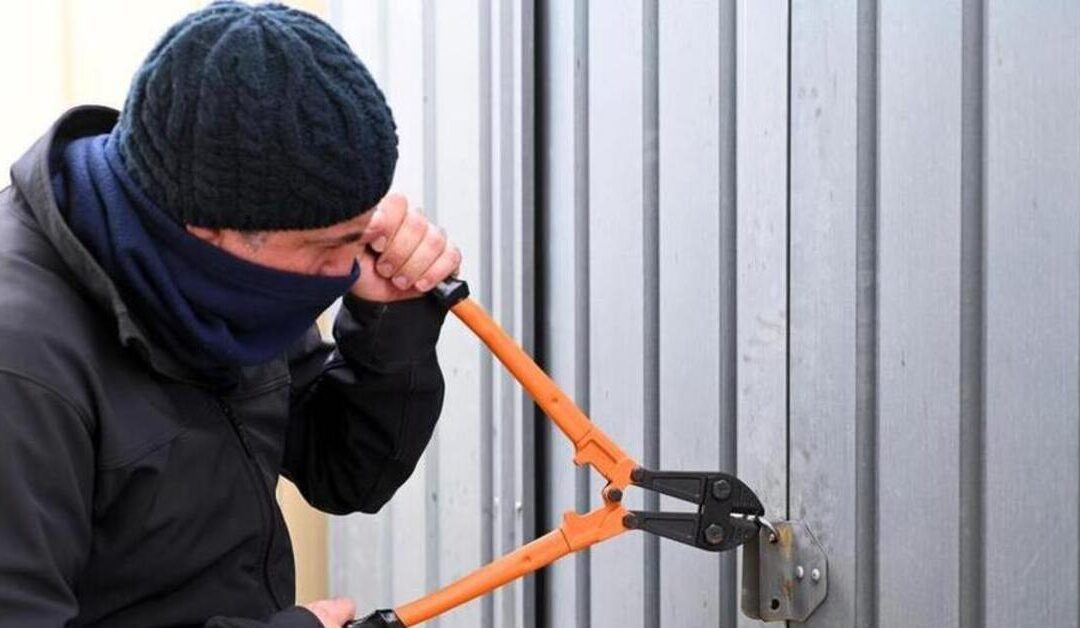
The risks of not having monitored CCTV mean your business is exposed to undetected break-ins, delayed response times, and increased costs from theft and damage.
For high-risk sites, simply relying on standard security camera systems alone isn’t enough; real-time monitoring is what stops incidents before they escalate.
What you will learn
- Why monitored CCTV offers total site protection for high-risk sites
- How some businesses are at risk of crime and how monitored CCTV protects them
- Why these solutions make all the difference in protecting sites and assets
Related reading: How much does CCTV monitoring cost?
The risks of not having a monitored CCTV solution
Now, let’s walk through the risks of not deploying a remotely monitored CCTV solution. In summary, they are:
- You can’t act on what you don’t see
- Delayed responses to intrusion
- Damage and vandalism going unchallenged
- The costs of repairs and dealing with crime
You can’t act on what you don’t see
A standard CCTV system records footage. It might help you after the fact — if the cameras weren’t disabled or obscured.
But without someone on hand to respond to threats, you’ll only find out what happened after the damage is done.
- Thieves already gone
- Stock missing
- Doors smashed
- Insurance premiums rising
Other security risks without monitored CCTV
As you can see, unmonitored systems present a range of security risks, including:
1: Delayed response to intruders
- Alarms may trigger, but no one verifies the threat.
- Police might not attend without confirmation.
- Intruders can stay on-site longer, causing more damage.
2: Repeat incidents
- Sites seen as “easy targets” get hit again.
- Criminals share info – your risk compounds.
3: Insurance complications
- Harder to claim without strong evidence or fast reporting.
- Some insurers may demand professional monitoring as part of the cover.
4: Missed opportunities to prevent damage
- No one’s there to issue a live warning.
- A quick shout can be enough to stop a break-in entirely.
Example: The cost of not having surveillance monitoring
A solar farm site leaving its CCTV unmonitored to save costs could face the following issues
- Thieves break into the site
- £18,000 of copper wiring was stolen
- It wasn’t noticed until Monday morning
- No suspects were caught as the footage was unclear
- Insurance only paid 60% of the claim
If this business used a professionally monitored CCTV service, an alarm would have alerted an operator in seconds. Altogether, offering the chance to scare them off or get police on site fast.
Summary: Why remote monitoring makes a difference
Remotely monitored CCTV surveillance offers:
- Eyes on the site when you’re not there
- Instant escalation to keyholders, police, or patrols
- Fewer false alarms and wasted time
- Better evidence through live-tracked incidents
It turns your cameras into a crime prevention system, not just a recording device.
Frequently asked questions
Unmonitored cameras can only record incidents after they’ve happened. Monitored CCTV helps stop break-ins, vandalism, theft, and trespassing as they unfold. Operators verify threats in real time, issue warnings, and escalate fast. All in all, this turns passive systems into active security deterrents that reduce risk significantly.
Maybe, but only if your site holds little of value or is in a low-risk area. If there’s stock, machinery, tools, fuel, or sensitive data involved, the cost of reacting after an incident is often far greater than simply preventing it with remote monitoring.
Many do. While not always a strict requirement, many insurers prefer sites with CCTV monitoring in place, and some will reduce premiums for it. Video verification also helps speed up claims and proves incidents weren’t staged or caused by staff, which strengthens your case.
Not really, especially when compared to the cost of being the victim of a break-in. Monitoring is typically priced at a cost per camera, per year. Compared to the £35,000+ annual cost of a full-time guard, it’s a tiny fraction. When you weigh that against the risk of theft, downtime, or rising insurance costs, it’s a smart investment.
Yes. It’s highly effective in stopping graffiti, fly-tipping, smashed windows, and even arson. Because operators intervene while it’s happening (not after), they can issue warnings, trigger lights or sirens, and contact police before serious damage is done. Prevention is always cheaper than repairs.