
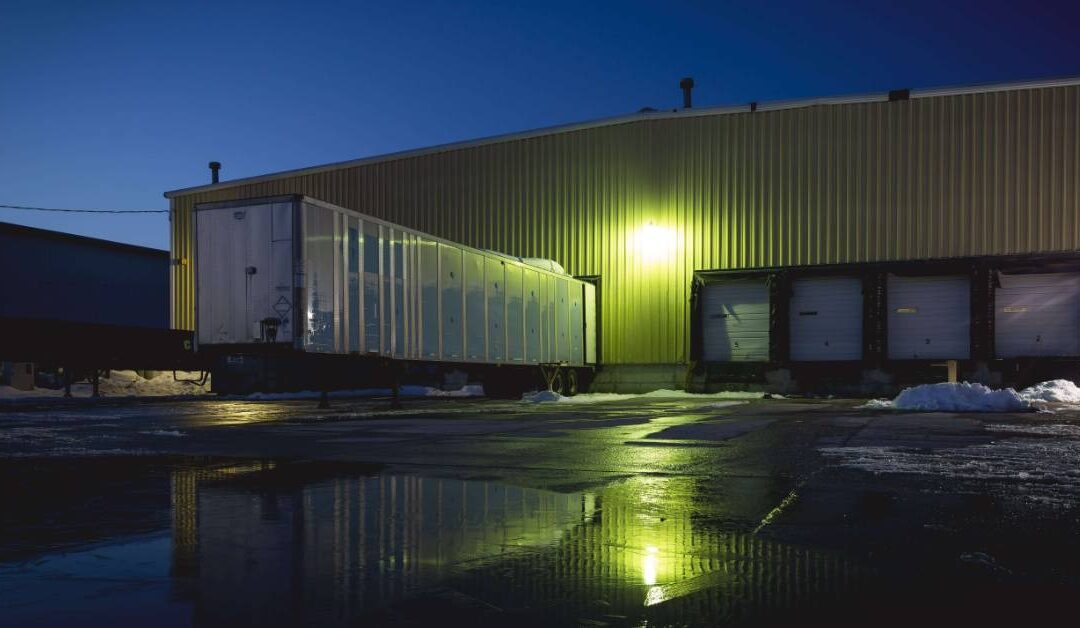
When it comes to managing and dealing with the major security threats to warehouse operations, the advice from an expert is key. From opportunistic thieves to coordinated gangs, the threats are real and evolving.
In this article, we break down the key security risks facing warehouse operators today, with examples, insights from the field, and advice on staying ahead.
Keen to learn more about the most critical threats to warehousing companies? Read this guide to learn more.
Theft from external intruders remains the number one security threat to warehouses
Unsecured perimeters, poor lighting, and patchy surveillance create opportunities. Most criminals don’t need to break in with tools; they walk straight through weak access points or exploit blind spots in the yard.
Thieves typically target warehouses for:
- Palletised stock stored outside the loading bay
- High-value items like electronics, tools, and seasonal goods
- Copper wiring and cabling from HVAC or solar infrastructure
Chris Clifton, Director at Safeguard Monitoring, explains:
“Too often we see warehouses focusing their CCTV inside the building, but by then it’s too late. Most thefts begin and end in the yard.”
As a result, evaluating the costs of CCTV monitoring for warehouses vs employing security guards is a highly recommended exercise.
Insider threats are difficult to detect
While rare, employee-related theft is a growing concern, especially in large 24/7 sites with temporary staff. Items can be concealed in clothing or stolen via ‘short-picking’, where only part of an order is loaded or fulfilled.
Telltale signs:
- Unusual stock discrepancies
- Regularly missing items in one product line
- Restricted areas left unlocked
Access control systems and specialist CCTV monitoring services for warehouses can help identify patterns without resorting to invasive supervision.
Poor perimeter security makes break-ins easy
Chain-link fences may look secure, but they’re no match for bolt cutters and ladders. And once inside, criminals often have minutes, or even hours, before anyone notices.
Perimeter vulnerabilities include:
- Gaps in fencing or gates left ajar
- Vehicles left parked near access points
- No detection for fence climbing or movement
Motion-activated cameras and virtual tripwires now allow real-time alerts when someone crosses a line — before they get to the building.
Weekend & overnight shifts leave sites exposed
Out-of-hours operations are often the weak link. Fewer staff, lower supervision, and dark areas create the perfect storm.
Common risks during these times:
- No one to raise the alarm in real-time
- Staff relying on traditional alarms without verification
- Intruders knowing shift handovers and blind spots
Live remote monitoring has become a popular solution, as it ensures there’s always a trained operator ready to assess footage and issue warnings if needed.
Fire & safety risks are often overlooked
While less dramatic than theft, fires can be catastrophic, especially in older warehouses or facilities storing flammable materials.
Risks include:
- Arson attacks (particularly in vacant or unsecured units)
- Overloaded electrics or faulty equipment
- Blocked emergency exits or expired fire extinguishers
Video monitoring can also play a role in early detection, particularly where thermal cameras or smart sensors are in use.
- Related reading: Security Tips for UK Warehouse Operators
Vehicle-related crime is rising
HGVs are increasingly being targeted, both on-site and in transit. Criminals may try to:
- Steal fuel from lorries
- Tamper with seal tags
- Cut open curtain-sided trailers
Parking areas need the same level of surveillance as loading bays, and license plate recognition can help track who’s entering and leaving.
Cyber-physical attacks on smart systems
More warehouses are adopting smart sensors and IoT devices. But with more tech comes more risk.
Threats include:
- Network hacking of smart access control
- Remote disabling of alarm systems
- Tampering with camera feeds or data logs
Regular cyber audits and network segmentation are critical, and your physical and digital security must work in sync.
Summary: The major security threats facing warehouse operators
Security threats to warehouse operations aren’t limited to theft; they span safety, systems, and supply chain disruptions. The most successful operators don’t wait until there’s a break-in.
They invest in proactive, layered security strategies that combine physical deterrents, human oversight, and technology that adapts to modern risks.