
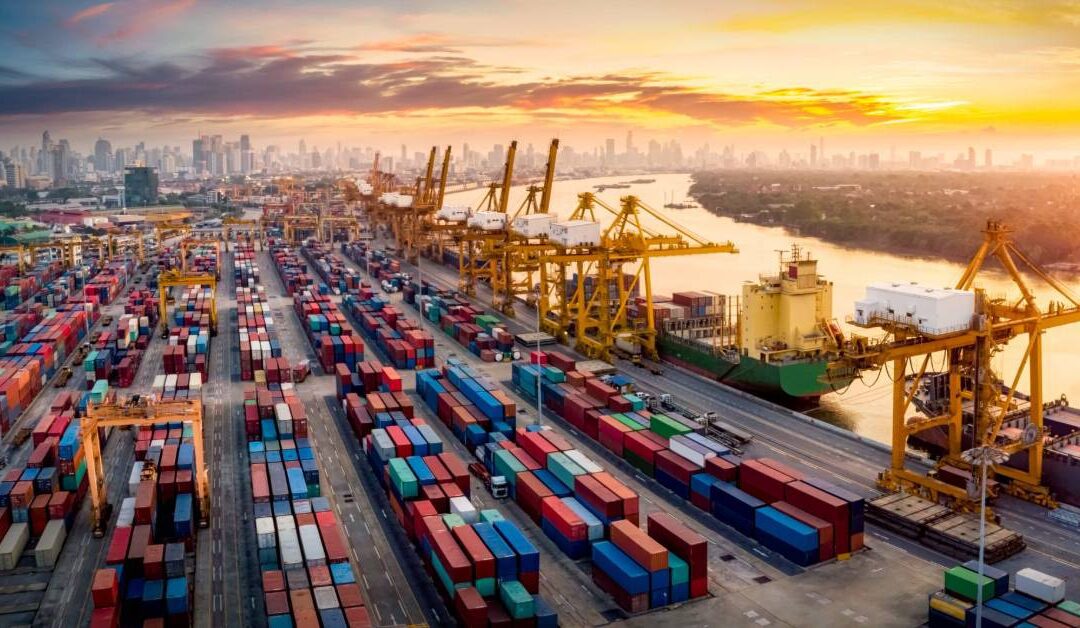
Logistics sites are prime targets for organised crime and opportunistic theft. As a result, we have published this guide covering the best security measures to protect logistics sites.
With goods constantly in transit and high-value stock on-site, security lapses can lead to devastating losses. From external threats like break-ins and cargo theft to internal risks such as employee dishonesty or health and safety breaches, every logistics hub faces unique challenges.
Effective site protection relies on a multi-faceted, integrated approach to security. From access control and alarms to live camera surveillance. Our latest article explains how logistics companies use CCTV monitoring to prevent theft. Protecting revenue, client relationships, and site safety are key reasons to deploy remote monitoring.
What security threats do logistics sites face?
Logistics facilities face a wide range of threats:
- Organised theft: Criminal gangs often target goods in transit or storage.
- Vehicle theft: Lorries, vans, and trailers are vulnerable when left unattended.
- Fuel siphoning: With diesel prices high, fuel theft has become common.
- Internal theft: Staff or contractors may take advantage of lax processes.
- Trespassing and vandalism: Especially at night or on weekends.
- Cyber-physical attacks: Targeting systems that manage stock or access.
These threats vary by location, operating hours, and the nature of the goods being stored or distributed.
How can perimeter security reduce risk & protect logistics sites?
Stopping intruders before they reach buildings is the first line of defence. Perimeter protection may include:
- Fencing and gates: Tall, secure fences and access-controlled gates deter casual trespassers.
- ANPR cameras: Automatic number plate recognition cameras log all vehicle entries and exits.
- Security lighting: Well-lit perimeters make it harder for intruders to go unnoticed.
- Remote CCTV monitoring: Detects and reacts to unauthorised movement around site boundaries.
Operators can issue live audio warnings and escalate threats in real time, turning passive surveillance into active prevention.
Is remote CCTV monitoring better than guards?
Often, yes. A single guard cannot be everywhere at once, whereas CCTV cameras can provide coverage of multiple high-risk areas simultaneously. Benefits include:
- Cost-efficiency: CCTV monitoring typically costs significantly less than employing 24/7 guards.
- Faster response times: Operators assess incidents instantly and escalate only when needed.
- Always alert: Cameras don’t get tired — they provide consistent monitoring day and night.
- Evidence capture: Every event is recorded and can be reviewed for insurance or prosecution.
Some logistics sites retain a small number of on-site staff while relying on CCTV to expand their coverage affordably.
What are the best internal security measures to protect logistics sites?
Protecting assets inside the facility requires layered access control and clear procedures. This includes:
- Access control systems: Only authorised staff can enter sensitive areas like high-value storage or dispatch bays.
- Visitor management: All non-staff are logged, badged, and monitored.
- Time-limited access: Staff are only granted access to certain zones during shift hours.
- Audit trails: Every access attempt is logged, helping trace incidents if something goes wrong.
This reduces the risk of insider theft and keeps a clear record of who was where and when.
How can you prevent vehicle-related theft?
Protecting vehicles — both company-owned and third-party delivery trucks, requires a combination of technology and process:
- CCTV coverage of yards and loading bays
- Motion-triggered alerts out of hours
- Secure parking with restricted access
- Driver ID checks at entry gates
- GPS tracking for fleet vehicles
For sites handling overnight parking or inbound deliveries after hours, remote monitoring is critical to preventing theft and fuel siphoning.
Can security systems reduce insurance premiums?
Yes — especially if you install certified equipment and use a professional monitoring provider. Insurers may offer:
- Lower premiums
- Faster claims processing
- Recognition of reduced risk in underwritten policies
It’s worth speaking to your insurer before investing in upgrades to ensure your system meets their criteria.
What role does cyber security play in physical protection?
Many modern security systems are cloud-based or integrated with networked access control and logistics platforms. This means:
- Cyber security is critical. A breach could disable alarms, cameras, or locks.
- Strong password policies and role-based access are essential.
- Regular software updates and third-party testing can help reduce vulnerability.
Summary: The best ways to secure & protect logistics sites
Logistics sites face a unique set of challenges — from physical intrusions to cyber-physical attacks and internal threats.
The best defence is a layered, proactive strategy: secure your perimeter, monitor key areas, control access tightly, and invest in both physical and digital systems.
By taking security seriously, you protect not only your goods and reputation but also the people who make your operation run.