
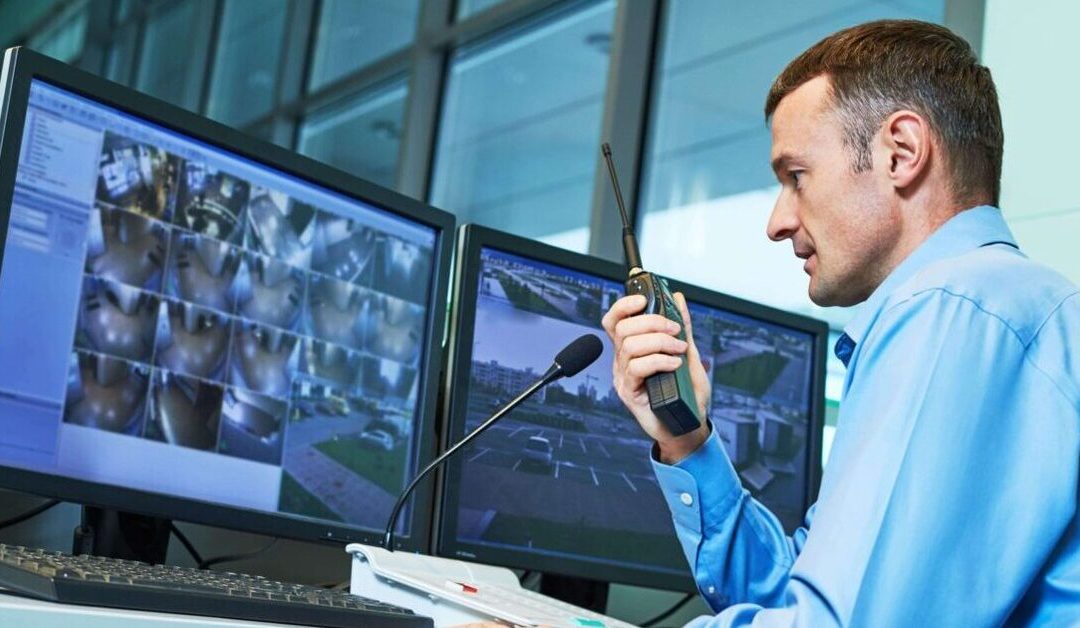
Switching to CCTV monitoring can help businesses save tens of thousands per year. It reduces theft, lowers insurance premiums, cuts out false alarm callouts, and removes the need for full-time security guards; all while improving your overall protection.
Let’s talk numbers
On average, a remotely monitored CCTV camera costs around £200 per year to monitor. For a typical site with 10-30 cameras, you’re looking at:
- £2,000–£6,000/year for full coverage
Compare that to:
- £35,000–£70,000/year for manned security guards
- £1,500+ per false police or keyholder callout
- £3,000+ average cost of a warehouse theft claim
The savings add up quickly. As you can see, CCTV monitoring certainly helps businesses save a lot of money when compared to relying purely on guards.
Please note: We are using the cost of £200 per camera to illustrate the cost savings offered by remotely monitored CCTV.
How much could CCTV monitoring save you vs employing guards?
Now, let’s look at an example of how monitored systems compare to the cost of employing guards.
Real-world example
A storage facility switched from two night guards (£70k/year) to a monitored CCTV system. They have 50 cameras monitoring their site, and require audio intervention and response patrols.
- 24/7 live response
- Audio warnings
- Response protocols
Annual monitoring cost: £10,000.
When compared to the cost of employing guards (£70k/year), the savings are substantial.
Net saving: £60,000 per year
Other reasons businesses use CCTV monitoring: key benefits
By now, you should be clear on how CCTV monitoring compares to employing guards in terms of costs. Now let’s take a quick look at the other benefits these systems offer businesses. In this section, you’ll learn about how well-designed systems reduce false alarms and help to prevent theft or downtime.
1. Replacing or reducing manned security
If your business currently uses overnight or weekend guards:
- Replacing them with monitored CCTV can save £30,000+ per year
- You retain real-time protection without the staffing overhead
- You can scale coverage without hiring more people
2. Fewer false callouts
Operators verify threats before escalating, which means:
- No wasted patrol visits
- No emergency keyholder trips
- No £150–£300 charges for false police attendance
3. Preventing theft and downtime
Monitored systems prevent incidents before they occur:
- Stop tool, fuel, or cable theft
- Avoid business interruptions
- Protect stock, vehicles, and entrances
Stopping a single theft can pay for a year of monitoring.
Summary: Reducing the cost of security
CCTV monitoring isn’t just better protection, it’s better business. It saves you money across the board, from staffing to insurance, while keeping your assets safer than ever.
FAQs
Yes, in many cases it is, especially when you consider the cost of false callouts and the delays caused by unverified alarms. CCTV monitoring adds video verification, live response, and faster police escalation, helping reduce losses while giving you far more value from your monthly spend.
It depends on the site layout and the reasons you employ guards. However, in many cases, a well-designed system can replace on-site guards. With 360-degree cameras, motion alerts, and live operators responding in real time, you can scale coverage while drastically cutting staffing costs.
No, most CCTV monitoring contracts include 24/7 coverage at a flat monthly rate. That means evenings, weekends, and bank holidays are all protected without extra charges. For many businesses, this delivers massive savings compared to paying security guards full-time or even just at weekends.
If CCTV monitoring prevents just one major theft or vandalism attempt, it could cover several years of monitoring costs. Combine that with reduced insurance premiums, fewer guard hours, and quicker responses to threats, and most sites see strong ROI within a reasonable timeframe.