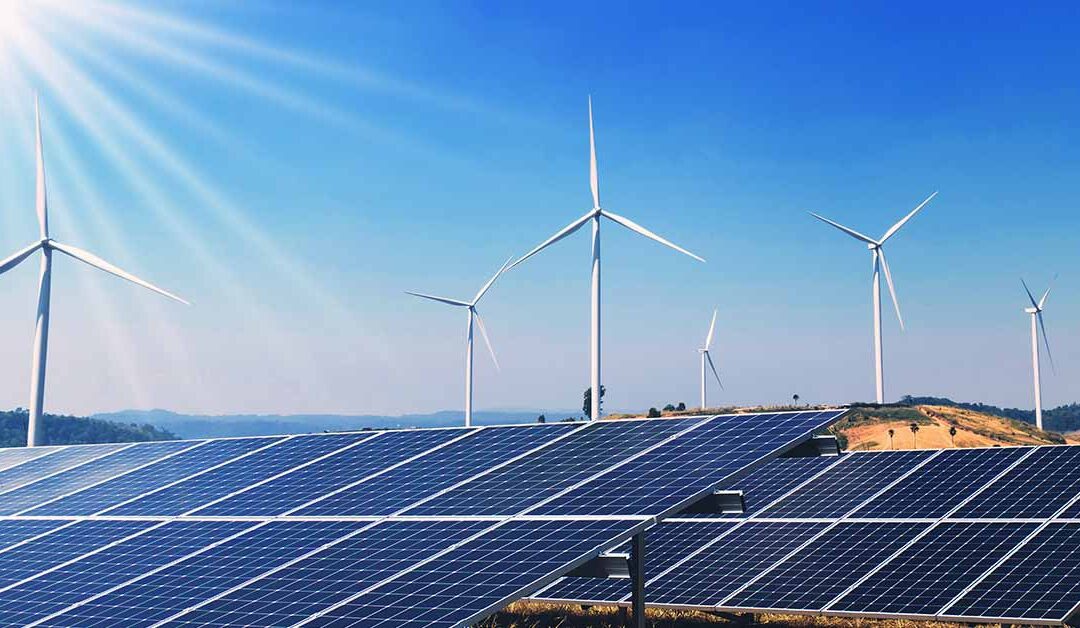
Solar farms are powering more of the UK every year. But, they’re also increasingly targeted by criminals. For site operators keen to know how to improve security at your solar farm, this guide will get you started.
TL;DR
Improving the quality of your solar farm’s security systems includes deploying solutions like remote monitoring, physical barriers, CCTV surveillance, and fast response. Whether you manage a single site or a portfolio, the key objectives are spotting threats early, and acting before damage is done.
Why are solar farms targeted by thieves?
You’ve got large, remote sites. Expensive materials. Limited staff on the ground. And long response times if something goes wrong.
Copper, inverters, and panels are all easy targets. This is simply one of the reasons why CCTV camera monitoring is so important for protecting solar farms.
For sites with inadequate security measures ie unmonitored CCTV cameras, even minor damage can cause downtime, lost revenue, or safety risks.
With plenty of rich pickings available, and the remote locations of most sites, it’s no wonder solar farms are being targeted by thieves in the UK.
What are the main security threats to UK solar farms?
In the UK, solar farms face a unique mix of security risks due to their remote locations, open layouts, and valuable equipment.
Criminals often see them as easy, high-value targets, especially at night or during low-staffed periods. An example of this is the reported case of cable theft from a solar farm in Lancaster.
All in all, understanding the most common threats is the first step to building an effective protection plan.
In summary these are:
- Copper cable theft
- Solar panel and inverter theft
- Vandalism and criminal damage
- Trespassing and unauthorised access
- Fuel and equipment theft during construction
- Sabotage or protest-related damage
- Fly-tipping and illegal waste dumping
- Arson or accidental fire risk
- Drone surveillance by organised gangs
- Internal theft or poor contractor access control
Each of these risks can disrupt power generation, damage assets, and cause costly downtime.
Now let’s explore the best ways to improve security for solar farms, and how a varied mix of crime prevention strategies can stop these threats before they cause harm.
What are the best ways to improve solar farm security?
If you’re responsible for site performance or physical security, here’s how to improve solar farm security, detect more threats, deter intruders and protect your assets.
Considering the amount of threats and vulnerabilities faced by site operators, the importance of well designed and installed security systems for solar farms is growing.
1. Introduce CCTV camera monitoring
CCTV cameras alone often aren’t enough. They need to be monitored.
Operators at a remote monitoring centre deal with threats as they arise. That’s just one of the many advantages of using CCTV monitoring to protect a solar farm from crimes like theft and vandalism. When sensors detect movement:
- They pull up the footage in real time
- They issue an immediate audio warning
- They call police or mobile patrols if required
Why it works:
- Catches threats while they’re happening
- Reduces response times dramatically
- Stops copper theft, panel removal, and site trespassing
2. Strengthen your solar farm’s perimeter security
Your first defence should stop, or slow, unauthorised access. Aside from panel theft, during the build phase, this is on of the biggest threats to a solar farm’s security, therefore, it needs addressing.
Make sure you:
- Repair damaged fencing
- Use anti-climb toppings
- Add signage warning of monitored surveillance
- Install infrared or beam-based sensors just outside the boundary
Bonus tip: Ditches or earth mounds can make vehicle access harder without disrupting wildlife.
3. Lock down inverters & infrastructure
Inverters and cabling are among the most frequently targeted components during solar farm thefts. These items contain valuable metals and can be resold or scrapped easily, making them a favourite for organised gangs.
Protecting these areas properly can prevent major financial and operational losses.
Most thefts involve:
- Cables
- Inverter units
- Metal panel framing
To strengthen security, install lockable access cabinets and mount inverters inside reinforced metal enclosures.
Where possible, use double-layer protection; for example, housing inverters within a locked shed and then securing each unit in its own cabinet. This adds a physical delay and increases the chances of detection before any theft occurs.
Also consider:
- Tamper alarms to detect unauthorised access attempts
- Tilt sensors to trigger alerts if panels or inverters are disturbed
- Integrated GPS trackers on high-value components for post-theft recovery
- Vibration or acoustic sensors to detect cutting or prying activity
- Thermal cameras focused on inverter stations to spot intruders in real time
By hardening these vulnerable areas, you make it significantly harder for thieves to operate undetected.
4. Improve lighting around entrances & access tracks
Good lighting is one of the simplest ways to deter intruders and improve camera performance at night. It doesn’t need to flood the entire solar array.
But in summary, key areas like gates, access roads, inverter stations, and control huts should always be illuminated.
Use:
- Motion-triggered lighting to alert operators and deter movement
- Solar-powered lighting towers where mains power isn’t available
- Low-voltage LED systems with battery or solar backup for resilience
- Timed lighting around entrances and boundary crossings
- Infrared-compatible lighting to enhance CCTV image quality
Effective lighting strengthens both security and safety. It helps cameras capture sharper footage, guides patrols, and discourages opportunists who rely on the cover of darkness.
In the next section, we’ll look at how ANPR and access control systems help manage who enters and leaves your solar site.
5. Use ANPR & access control
Every vehicle and person entering a solar farm should be logged, verified, and traceable. Controlled access prevents unauthorised entry, reduces internal risk, and gives operators a clear record of site activity at all times.
Options include:
- ANPR cameras at gates to automatically record vehicle registrations
- Keypad or card entry systems for maintenance teams and engineers
- Remote gate control via mobile app or monitoring station access
- Contactless fobs or QR credentials with time-limited permissions
- Dual authentication for contractors and third-party visitors
Together, ANPR and access control create a secure perimeter that keeps track of who’s coming and going, day or night.
In the next section of this guide to improving threat detection and prevention for solar plants, we’ll look at how linking alarms to a monitoring station turns these systems into a coordinated response network, thereby improving site security and threat prevention.
6. Linking intruder alarms & CCTV cameras to a monitoring station
A siren alone doesn’t stop an intruder. However, by linking every alarm, camera and sensor to a monitoring centre you turn detection into immediate action.
All in all, integrating your alarms with remote monitoring ensures that every alert is
- Verified and confirmed
- Escalated and actioned
- Dealt with by trained operators
Here’s a quick overview of our recommendations. Link these alerts to an ARC or remote CCTV monitoring station:
- Fence vibration or beam-based intrusion sensors
- Access control events, such as forced or unauthorised entry
- Internal movement or tamper alerts from inverter enclosures
- Environmental or power-failure alarms that could affect system uptime
All signals should feed into the same central CCTV monitoring station responsible for real-time camera verification. Operators can instantly view footage, issue live voice warnings, and contact the police or keyholders when needed.
By merging intruder alarms and CCTV into one system, false alerts are reduced, response times are shortened, and every threat is handled through a single, coordinated command point.
- Define the escalation process
- Map access routes and barriers
- Share contact details and response time targets
When operators detect a real threat, they won’t waste time, they’ll follow the plan.
In the last part of this article, we’ll look at how creating a rapid response plan completes the final layer of solar farm protection.
7. Creating a rapid response plan
Even the best solar farm CCTV monitoring system needs a clear plan for what happens next. A rapid response strategy ensures every verified threat triggers fast, coordinated action, without hesitation or confusion.
Work with your local mobile patrol or keyholding provider to:
- Define the escalation process and response chain
- Map all access routes, barriers, and gate locations
- Share live contact details and on-call schedules
- Agree realistic response-time targets based on distance and terrain
- Establish how incidents will be logged and reported back to the monitoring centre
When an operator detects an intrusion, they should know exactly who to call, where to direct responders, and how to gain safe entry. The faster those decisions are made, the lower the risk of theft or damage.
With a rapid response plan in place, your solar farm security system becomes proactive rather than reactive — ensuring every alert is followed by decisive, effective action.
Factors to consider
- Power redundancy: Can your security kit run if the solar system goes down?
- Connectivity: Remote locations may need 4G or satellite uplinks
- Environmental protection: Equipment needs to withstand heat, frost, and moisture
- Wildlife activity: Sensors must be calibrated to avoid constant false alerts
- Data storage: Make sure all footage is backed up securely off-site
So, there it is. Our guide to improving solar farm security. Now learn more about this topic, by scrolling down to the FAQ section.
Summary: How to improve a solar farm’s security systems
A secure solar farm is a productive one. Every theft or act of vandalism isn’t just a nuisance ; it hits your uptime, performance, and investor confidence.
By combining monitored CCTV with physical defences, smart access, and proactive patrol support, you create a system that spots risk early and shuts it down.
Looking to improve site security?
Want help securing your solar site properly?
Book a security audit and we’ll design a monitoring and protection plan tailored to your land, layout, and risk profile.
FAQs
Start with a risk assessment. Walk the site, check for weak points in fencing, look at recent incident history, and assess whether your current system can detect and respond to after-hours movement effectively.
Why is monitored CCTV better than static alarms?
Alarms only make noise. Monitored CCTV puts trained operators in control, they see what’s happening in real time, issue warnings, and call for backup. This stops crime before the damage is done.
What kind of CCTV cameras work best for improving solar farm security?
Infrared (IR), thermal, and PTZ (pan-tilt-zoom) cameras are ideal. They provide coverage across large open areas and perform well in low-light conditions, especially when paired with motion sensors or perimeter beams.
Can I monitor more than one solar site remotely?
Yes. Many operators manage multiple solar sites from one control centre. Each camera system is linked by mobile data, fibre, or satellite, allowing real-time alerts and footage review across your entire estate.
What’s the biggest security threats to improving solar farm protection?
Theft of copper cables and inverter components is most common. Sites with long perimeters, no lighting, or weak response protocols are especially vulnerable, and often hit multiple times if the issue isn’t addressed quickly.