
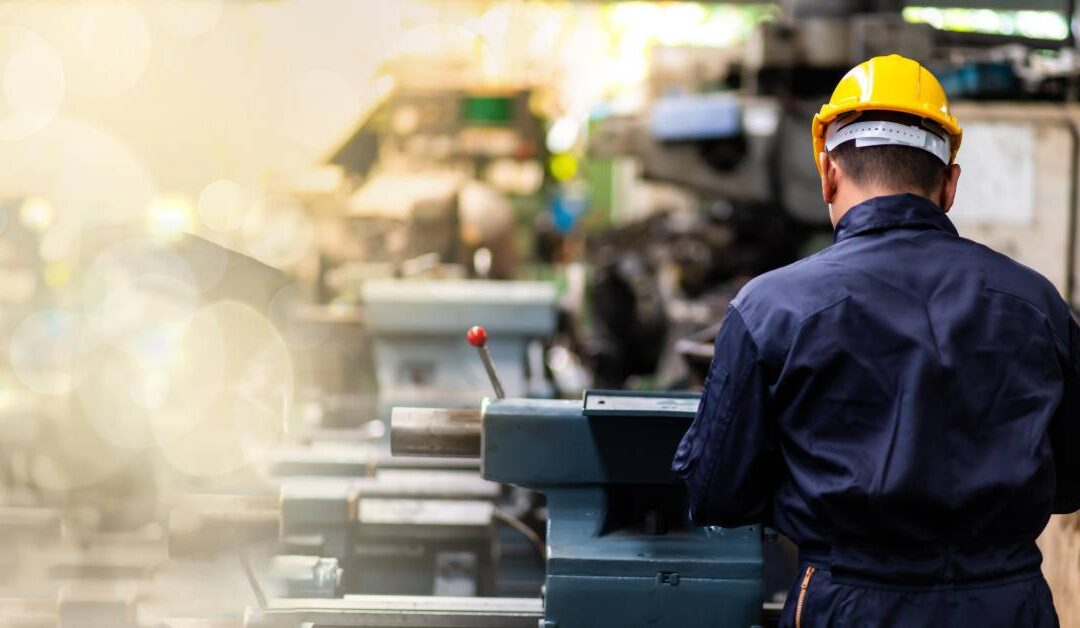
If you are researching the different ways to protect manufacturing plants, this article is a solid place to start. Unfortunately, manufacturing plants are high-value targets for crime.
With expensive machinery, valuable stock, and sometimes hazardous materials on site, security failures can lead to massive losses, financially and reputationally.
Whether you run a 24/7 operation or shut down at weekends, protecting your plant is essential. Below, we answer some of the most common questions around manufacturing site security.
Why are manufacturing sites targeted by criminals?
Manufacturing sites offer several lucrative opportunities for thieves and vandals:
- Valuable machinery and metal components
- Tools, fuel, and vehicles
- High-value stock or raw materials
- Gaps in security during out-of-hours periods
Organised crime groups often scout these sites in advance. They look for weaknesses, unlit areas, unmonitored zones, or minimal perimeter protection.
And, they often strike when staff are off-site.
What’s the biggest security risk at manufacturing plants?
The biggest risk is usually unauthorised access during silent hours — overnight, weekends, or holiday shutdowns.
Criminals use bolt cutters, angle grinders, and even vehicles to breach fences or doors, then load up quickly before anyone notices.
But internal risks also exist. Without access control, it’s hard to track who’s entering restricted areas.
And if CCTV isn’t monitored, issues go unnoticed until it’s too late.
- Related reading: The main security risks faced by industrial sites
What are the best security systems for a manufacturing site?
A layered system works best. At a minimum, most manufacturing sites should consider:
- Access control systems for doors and gates
- Remotely monitored CCTV covering all perimeters and key internal zones
- Intruder alarms with video verification
- Audio challenge speakers for out-of-hours deterrence
- Perimeter fencing and barriers
- Visitor management systems
Each site is different.
But the goal is always the same: detect threats early, verify quickly, and escalate fast.
Related reading: What Are the Main Security Threats to Manufacturing Plants?
What does remote CCTV monitoring offer that alarms don’t?
Alarms make noise. CCTV gives you context.
Monitored CCTV systems don’t just detect movement.
They stream footage directly to trained operators who verify if the threat is real. If it is, they act. If not, you avoid costly false callouts.
Remotely monitored CCTV offers:
- Immediate incident verification
- Audio challenges to stop intruders
- Escalation to emergency services with video evidence
- Peace of mind that someone’s always watching
In a high-value environment like a manufacturing plant, that level of response can mean the difference between a near miss and a major loss.
Can security systems help improve health and safety?
Absolutely. While the primary goal is preventing crime, modern security systems also:
- Monitor safe working practices in hazardous areas
- Detect unauthorised access to restricted zones
- Help investigate incidents or accidents
- Provide footage for training and compliance audits
By integrating security with safety protocols, you get more value from your investment and create a safer workplace.
Do manufacturers need to secure outdoor areas, too?
Yes. Yards, loading bays, vehicle parks, and external storage zones are all common breach points. Often, criminals never enter the building; they just steal copper cabling, pallets, skips, or parked vehicles.
These areas need good lighting, CCTV coverage, and clear lines of sight. Fence-mounted sensors or PIDS can add another layer of early detection.
How often should security be reviewed?
Annually at a minimum, but ideally every six months or after any major change in operations. New machinery, layout changes, or increased stock levels can all shift your risk profile.
A professional security audit can highlight blind spots, outdated tech, or new vulnerabilities you hadn’t considered. Better to find out now than after an incident.
Final thoughts
Protecting a manufacturing plant is about more than ticking boxes for compliance. It’s about safeguarding people, productivity, and profit. With the right mix of tech and strategy, you can stay one step ahead of those who’d do your business harm.