
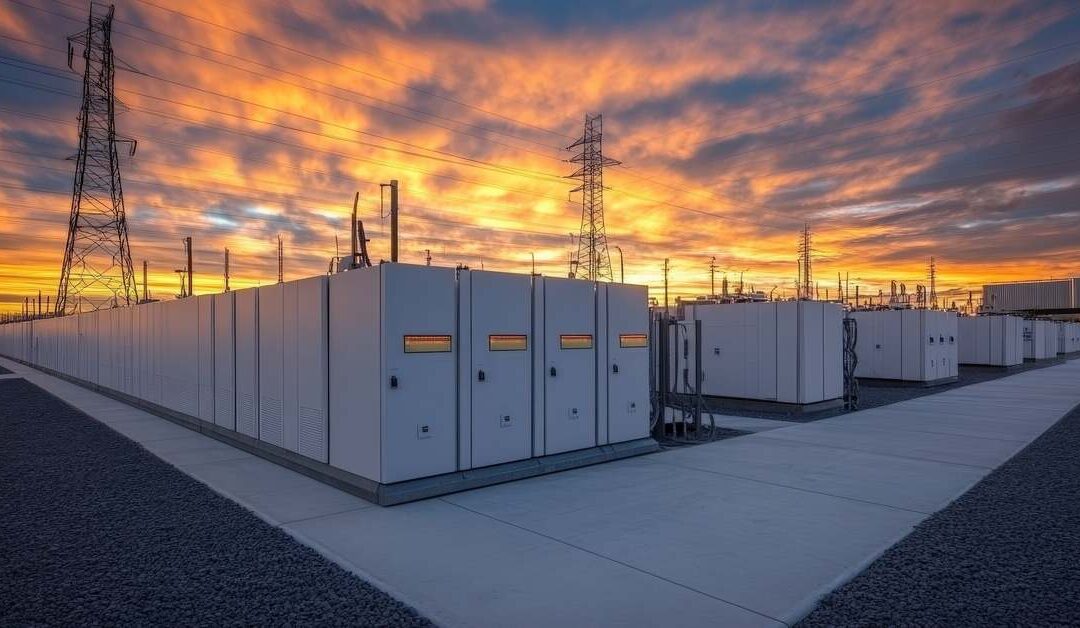
Due to the threats faced by site operators, the importance of security systems for protecting battery storage sites is obvious.
These installations hold high-value assets, store significant electrical capacity, and are often located in remote or lightly staffed areas. Therefore, in today’s article, we focus on the importance of installing security systems to protect battery storage sites.
Without proper protection in place, a single intrusion can result in major financial loss and operational disruption. Altogether, the significance of security systems for battery storage sites can’t be overstated; they’re essential for safeguarding both assets and uptime.
Article summary
Effective security systems help battery storage sites detect threats, respond fast, prevent crime, and maintain uninterrupted operations. This is especially true when sites are unstaffed or are in remote locations. Security systems for battery storage sites, cover a range of requirements such as surveillance, access control and overall site protection.
Battery storage sites face growing risks
Criminals target battery energy storage systems (BESS) for their copper wiring, inverters, and other valuable components. But theft isn’t the only threat. Vandalism, sabotage, and environmental hazards can all damage critical systems.
Installing a dedicated security solution helps you:
- Stop theft attempts before damage occurs
- Detect unusual activity or trespass in real time
- Maintain uptime and prevent dangerous tampering
For operators, prevention is far cheaper than recovery.
Remote locations increase vulnerability
Many battery storage sites are in rural or industrial areas — far from the public eye and often unmanned outside working hours. This isolation makes them prime targets for organised theft or deliberate damage.
Security systems mitigate these risks by:
- Offering round-the-clock visibility through CCTV monitoring
- Alerting operators immediately when activity is detected
- Allowing fast escalation to on-site teams or emergency services
A site that’s always being watched is far less likely to be attacked.
Monitored CCTV provides a live response
CCTV on its own is reactive. But when your cameras are watched by trained professionals, you gain real-time protection, not just evidence after the fact.
Live CCTV monitoring helps by:
- Identifying intruders instantly via motion-triggered alerts
- Triggering audio warnings to scare off threats
- Coordinating with police, keyholders, or mobile patrols
Every second matters. That’s why BESS site CCTV monitoring services are becoming increasingly popular.
Integrated systems offer stronger protection
The best approach combines multiple layers of security. Surveillance alone is powerful, but integrating alarms, access control, and site sensors enhances response times and reduces false alarms.
A well-designed system might include:
- Perimeter fencing with motion sensors
- Biometric or key fob access control for staff
- Alarm-linked CCTV with thermal capabilities
- 24/7 monitoring centre with direct police contact
When everything works together, threats are detected and handled with speed and clarity.
Reduces downtime and protects revenue
Every hour a BESS site is offline can lead to lost energy revenue and contract penalties. A damaged inverter or stolen component can stop the entire system from functioning.
Security systems reduce downtime by:
- Detecting threats before they reach critical assets
- Triggering responses that prevent or minimise damage
- Providing footage and logs for faster recovery and claims
The quicker you act, the quicker you’re back online.
Factors to consider when securing a battery site
Before installing or upgrading your security systems:
- Review all entry points, internal zones, and blind spots
- Ensure systems meet insurer and regulatory standards
- Prioritise response speed — not just detection
- Choose thermal or infrared cameras for night coverage
- Work with providers who understand energy sector risks
Good security planning protects everything, from your infrastructure to your reputation.
Summary: The importance of security for battery storage sites
Battery storage sites need more than fences and locks. They need live protection from operators who can detect, verify, and act on threats instantly. With the right systems in place, your site stays secure, your energy stays online, and your operations run without disruption.
Need to protect your BESS site?
Speak to our team about 24/7 CCTV monitoring, integrated systems, and fast response plans tailored to the energy sector.
FAQs: The importance of battery storage site security
Battery storage systems contain expensive hardware and electrical infrastructure. Their remote locations and high asset value make them prime targets for theft, vandalism, or tampering — all of which can disrupt energy supply and lead to significant financial loss
What’s the most effective type of security for battery storage sites?
The most effective setups use layered systems: CCTV monitoring, motion-triggered sensors, alarm integration, and access control. When combined with live monitoring, these tools provide real-time threat detection and coordinated response to stop incidents early.
Is monitored CCTV necessary for energy sites?
Yes. Monitored CCTV ensures threats are seen and acted on immediately — not hours later when reviewing recorded footage. Operators can issue warnings, call police, and prevent intrusions before damage is done, which is vital for critical infrastructure.
How do you ensure your battery storage site security systems stay compliant?
Work with providers certified to SSAIB standards. Regularly test systems, update access logs, and store footage securely in compliance with GDPR. A good provider will guide you through all legal and operational requirements.
Do security systems reduce insurance costs?
In many cases, yes. Insurers may offer lower premiums for sites with live monitoring, alarm integration, and professional-grade systems. Plus, if a claim is needed, time-stamped footage and system logs support faster resolution.